516-681-5330Request a visit

Procedures

TMJ & Facial Pain

Diagnosis and treatment of temporomandibular joint disorders, from splint therapy and medication to minimally invasive joint procedures.

First step
Clinical exam and imaging
Most cases
Resolve without surgery
Procedures
Local or IV sedation
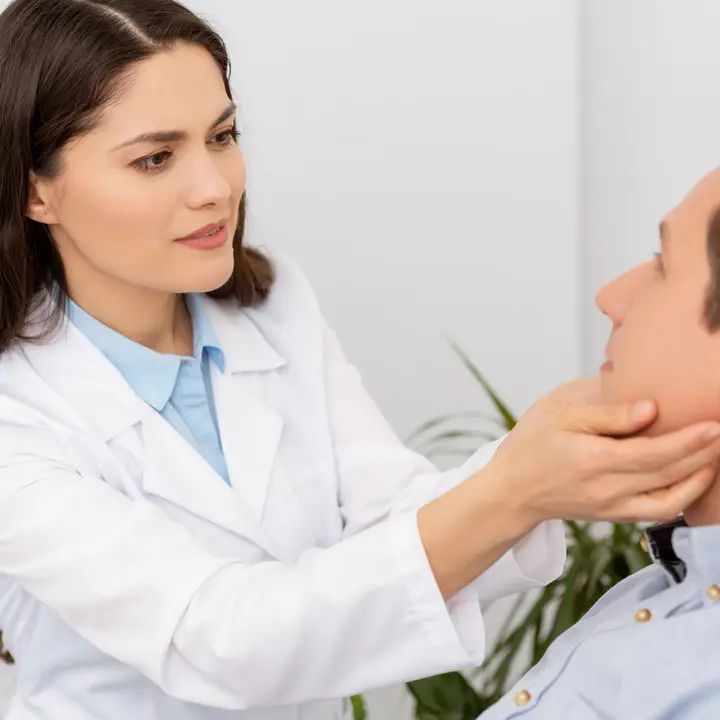
A clinician examining a patient’s jaw joints with her hands

Overview

What the procedure involves.

The temporomandibular joints connect the lower jaw to the skull just in front of each ear. Each joint contains a cartilage disc that cushions the movement of the condyle. Temporomandibular disorders (TMD) arise from the muscles of chewing, from the joint itself, or from both.

Most TMD is managed successfully without surgery. Accurate diagnosis, separating muscular pain from internal joint derangement or arthritis, determines which treatment will help.

Conditions we treat

  • Myofascial pain of the jaw muscles
  • Clicking or popping from disc displacement
  • Closed lock, the jaw unable to open fully
  • Osteoarthritis and inflammatory arthritis of the joint
  • Bruxism (clenching and grinding)
  • Headaches and ear pain referred from the jaw

Techniques & treatment options

Matched to the diagnosis, not a template.

  1. Occlusal splint therapy

    A custom appliance reduces load on the joints and muscles, particularly at night.

  2. Medication and physical therapy

    Anti-inflammatory medication, muscle relaxants and guided jaw exercises address muscular pain and inflammation.

  3. Arthrocentesis

    The joint space is flushed through two fine needles, releasing adhesions and clearing inflammatory mediators, often restoring opening in a closed lock.

  4. Surgical management

    For the minority who do not improve, arthroscopy or open joint surgery may be considered.

Evaluation

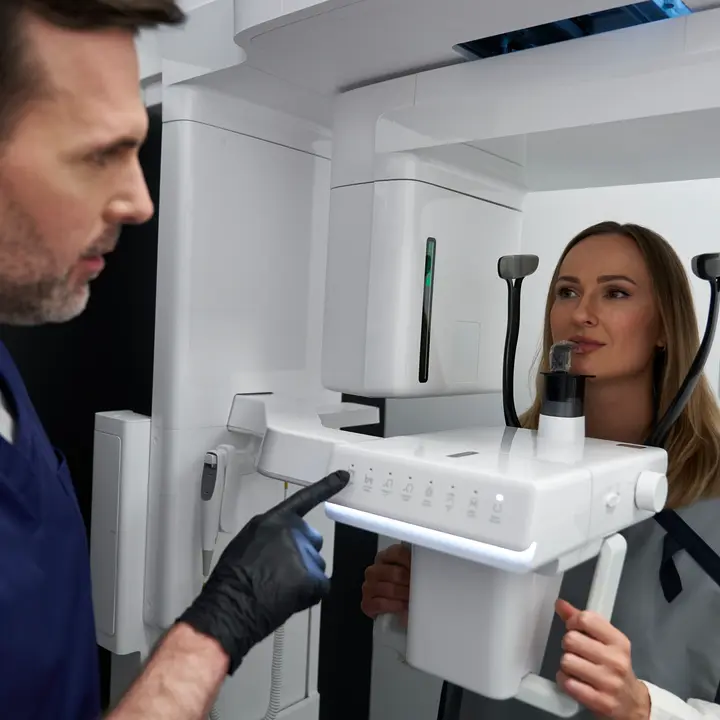
The examination records the range and path of jaw opening, joint sounds, muscle tenderness and the bite. Panoramic imaging, cone-beam CT or MRI may be used to examine the bone and the position of the disc.

What you can do now

  • Keep to a softer diet and avoid chewing gum
  • Apply moist heat to sore muscles
  • Notice and relax daytime clenching
  • Avoid wide yawning and resting the chin on the hand
Recovery

What to expect afterward.

Conservative treatment typically improves symptoms over weeks. After arthrocentesis, most patients resume normal activity the next day, with a short course of exercises and a soft diet.

All recovery instructions

Questions

TMJ Disorders: common questions.

Will I need surgery for TMJ?

Rarely. Most patients improve with a splint, medication and home care. Minimally invasive procedures such as arthrocentesis are considered when conservative care has not helped.

Why does my jaw click?

Clicking usually reflects the disc slipping in front of the condyle and returning during opening. Painless clicking alone often needs no treatment; clicking with pain or locking should be evaluated.

Can TMJ cause headaches?

Yes. Pain from the muscles of chewing frequently refers to the temples, the ears and the back of the head.

Plainview, Long Island

Ready when you are.

Request a consultation online, or call the office. We will find a time that works and answer your questions before you come in.