516-681-5330Request a visit

Procedures

Sleep Apnea & Snoring

Oral appliance therapy for obstructive sleep apnea and snoring, coordinated with your physician, and surgical options for selected patients.

Diagnosis
A sleep study, ordered by a physician
Treatment
Custom oral appliance
Coverage
Often medical insurance
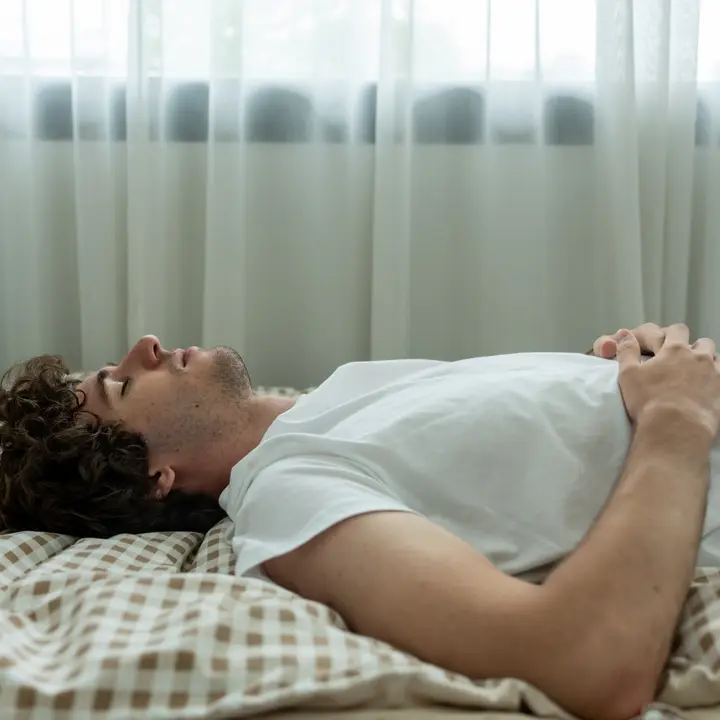
A man resting on his back in a bright bedroom

Overview

What the procedure involves.

Obstructive sleep apnea (OSA) occurs when the soft tissues of the throat collapse during sleep, repeatedly narrowing or closing the airway. Each event lowers oxygen levels and fragments sleep, often without the patient being aware of it. Loud snoring and daytime fatigue are the most common signs.

Untreated OSA is associated with hypertension, heart disease, stroke, diabetes and an increased risk of accidents. The practice provides oral appliance therapy in coordination with each patient’s physician.

Conditions we treat

  • Mild to moderate obstructive sleep apnea
  • Primary snoring
  • Patients unable to tolerate CPAP
  • Severe OSA, as an adjunct or alternative in selected cases

How it works

Keeping the airway open.

Without treatment: the relaxed tongue and soft palate fall back and block the airway.AirwayblockedTongue and softpalate fall backWithout treatmentWith an oral appliance: the lower jaw is held forward, the tongue moves with it, and the airway stays open.Airwaystays openAppliance holdsthe jaw forwardLower jaw andtongue move forwardWith an oral appliance
During sleep, the muscles of the throat relax and the tongue and soft palate can fall back against the airway. A custom oral appliance holds the lower jaw slightly forward, bringing the tongue with it and keeping the airway open.

Techniques & treatment options

Matched to the diagnosis, not a template.

  1. Mandibular advancement devices

    A custom appliance worn during sleep holds the lower jaw slightly forward, tensioning the tissues of the throat and keeping the airway open.

  2. Titration and follow-up

    The appliance is adjusted in small steps until symptoms resolve, and a follow-up sleep study confirms the effect.

  3. Surgical options

    For selected patients with skeletal factors, maxillomandibular advancement enlarges the airway permanently.

Diagnosis comes first

Snoring alone does not establish sleep apnea, and apnea can occur without loud snoring. A diagnosis requires a sleep study, either in a sleep laboratory or at home, ordered and interpreted by a physician. Appliance therapy is then prescribed for the specific severity found.
Recovery

What to expect afterward.

There is no surgical recovery with appliance therapy. Most patients adapt to the device within a few weeks; temporary jaw or tooth tenderness in the morning usually settles quickly.

All recovery instructions

Questions

Sleep Apnea: common questions.

Is an oral appliance as effective as CPAP?

For mild to moderate sleep apnea, a well-fitted appliance is an established treatment, and many patients use it more consistently than CPAP. For severe apnea, CPAP remains first-line, with appliances or surgery considered when it is not tolerated.

Is treatment covered by insurance?

Oral appliance therapy for diagnosed sleep apnea is often covered by medical insurance. The office helps confirm coverage.

Plainview, Long Island

Ready when you are.

Request a consultation online, or call the office. We will find a time that works and answer your questions before you come in.