516-681-5330Request a visit

Procedures

Anesthesia & IV Sedation

The full range of office anesthesia, from local anesthesia and nitrous oxide to IV sedation and general anesthesia, delivered by trained oral and maxillofacial surgeons.

Delivered by
An oral and maxillofacial surgeon
Fasting
Nothing by mouth for 8 hours
Escort
A responsible adult required
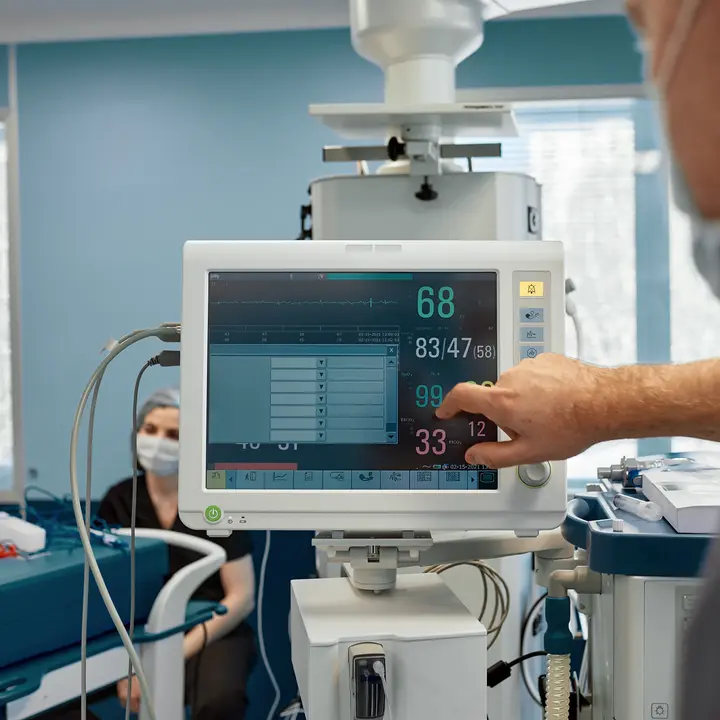
A gloved hand adjusting a patient monitor showing vital signs

Overview

What the procedure involves.

Training in anesthesia is a core part of oral and maxillofacial surgery residency, including rotations on hospital anesthesia services. That training allows sedation and general anesthesia to be delivered safely in the office, where many procedures can be performed without a hospital admission.

Every sedation and general anesthetic in the office is delivered by an oral and maxillofacial surgeon trained in office anesthesia, under continuous monitoring. The appropriate level of anesthesia is chosen with each patient, based on the procedure, medical history and preference.

Conditions we treat

  • Wisdom tooth removal and other surgical extractions
  • Implant surgery and bone grafting
  • Dental anxiety or a strong gag reflex
  • Lengthy or combined procedures
  • Patients with special needs

Techniques & treatment options

Matched to the diagnosis, not a template.

  1. Local anesthesia

    Numbs the surgical area while the patient remains fully awake. Used for every procedure, alone or with sedation.

  2. Nitrous oxide

    Inhaled through a small nasal mask to relieve anxiety; its effect fades within minutes, so patients may drive themselves home.

  3. IV moderate and deep sedation

    Medication given through a vein produces a relaxed, drowsy state; most patients remember little or nothing of the procedure.

  4. General anesthesia

    The patient is completely asleep for the procedure, with continuous monitoring throughout.

Safety and monitoring

During sedation and general anesthesia, oxygen saturation, heart rate and rhythm, blood pressure and breathing are monitored continuously, and the patient recovers under observation until ready for discharge. A thorough review of the medical history and medications precedes every anesthetic.

Preparing for your anesthetic

  • Nothing to eat or drink for eight hours beforehand, unless instructed otherwise
  • Take approved medications with a small sip of water
  • Wear loose clothing with short sleeves; remove contact lenses and nail polish
  • A responsible adult must accompany you, remain during the procedure and drive you home
  • No driving or operating machinery for twenty-four hours
Recovery

What to expect afterward.

Most patients are alert enough to go home within an hour of the procedure and feel close to normal by the next morning. Plan to rest for the remainder of the day.

Before anesthesia

Questions

Anesthesia: common questions.

Is general anesthesia in the office safe?

For healthy patients, office anesthesia by a trained and licensed oral and maxillofacial surgeon has an excellent safety record. A careful medical review and continuous monitoring are part of every anesthetic.

Which option is right for me?

That depends on the procedure, your medical history and your comfort. The options are reviewed at the consultation, and the choice is made together.

Can I drive myself home?

After local anesthesia or nitrous oxide alone, usually yes. After IV sedation or general anesthesia, no: a responsible adult must drive you and stay with you.

Plainview, Long Island

Ready when you are.

Request a consultation online, or call the office. We will find a time that works and answer your questions before you come in.