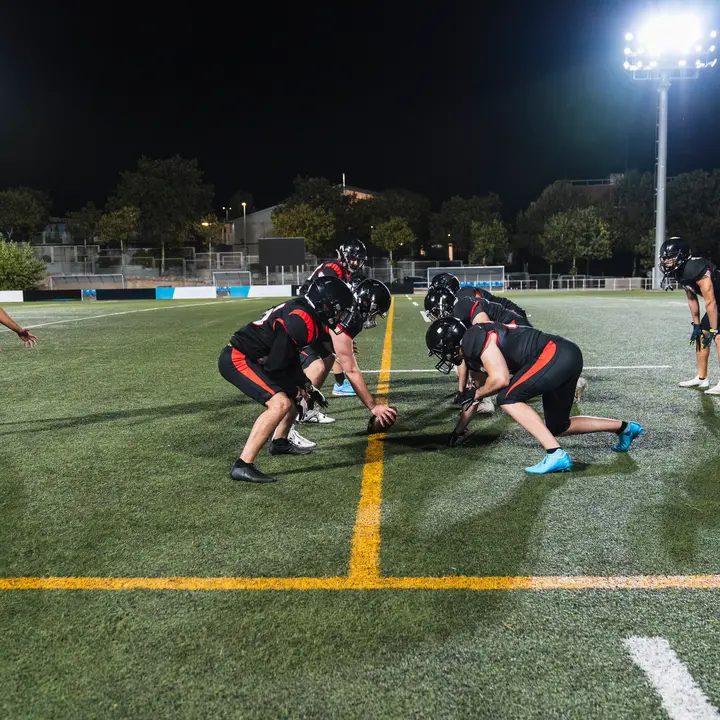
Football, lacrosse, hockey, basketball and soccer all put the face in the way of elbows, sticks, balls and the ground. A mouthguard is the simplest protection there is, and knowing what to do in the first half hour after an injury can save a tooth.
Choosing a mouthguard
A mouthguard cushions a blow and spreads its force, protecting the teeth, lips, cheeks and tongue. Stock guards from a store are better than nothing. Boil-and-bite guards fit more closely. A custom guard made by a dentist fits best, stays in place during play and is easier to breathe and talk through, which means it actually gets worn.
Replace a guard when it is worn, torn or loose, and after a growth spurt or new orthodontic work.
If a permanent tooth is knocked out
- Find the tooth and pick it up by the crown, the white part. Do not touch the root.
- If it is dirty, rinse it briefly with milk or water. Do not scrub it.
- If you can, push it gently back into the socket and bite on a clean cloth to hold it.
- If not, keep it in a cup of milk or in the athlete's cheek, never dry and never in plain tap water for long.
- Call an oral surgeon or dentist right away. The sooner the tooth is back in place, the better its chance.
- Baby teeth are not put back. Bring the child in to be checked instead.
Injuries that need more than a dentist
Go to the emergency room, or call 911, for any injury with loss of consciousness, heavy bleeding or trouble breathing. Call an oral surgeon promptly for:
- Teeth that no longer meet the way they did
- Pain or difficulty opening and closing the mouth
- Numbness of the lip, chin or cheek
- Swelling or a step along the jaw or cheekbone
- Deep cuts inside the mouth or on the face
This article is general information, not advice about your own care. If you have a question about your situation, call the office at 516-681-5330.